

PPPGC and KMITL Launch “Palm University,” a 500-Rai Pilot Project for Sustainable Palm Development
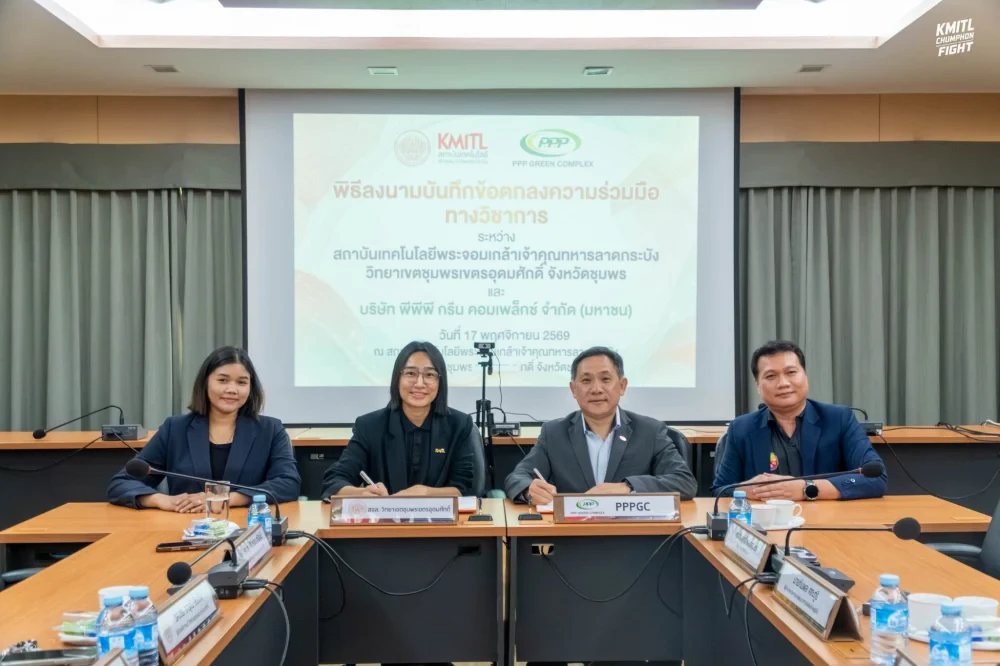
A model oil palm plantation and field laboratory for learning, experimentation, research and technology demonstration, aimed at advancing Thailand’s oil palm industry, expanding into bioenergy and high-value oleochemicals, and building a sustainable Thai bioeconomy
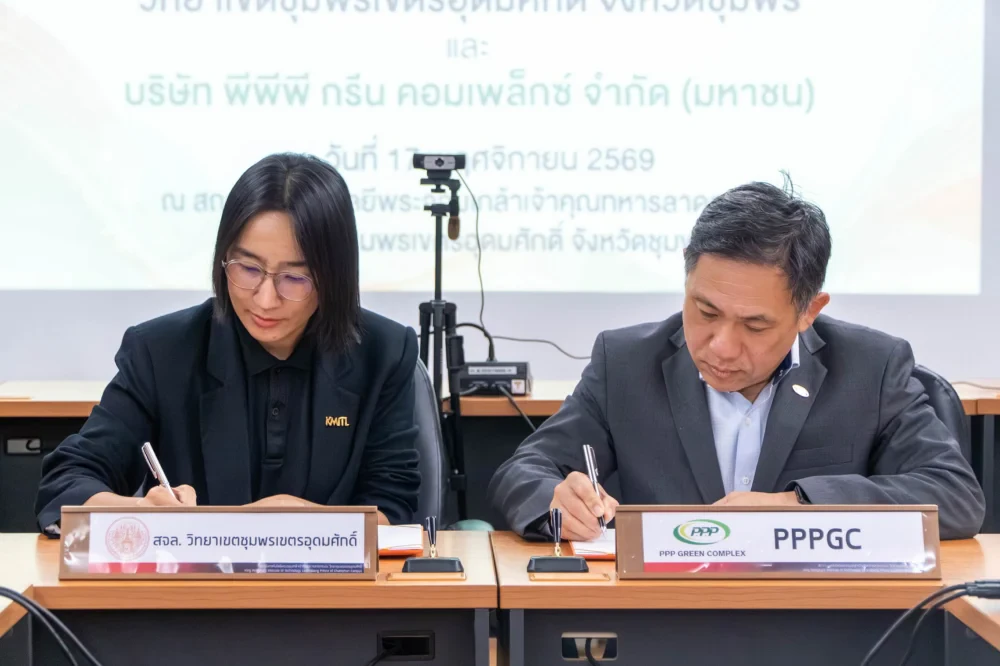
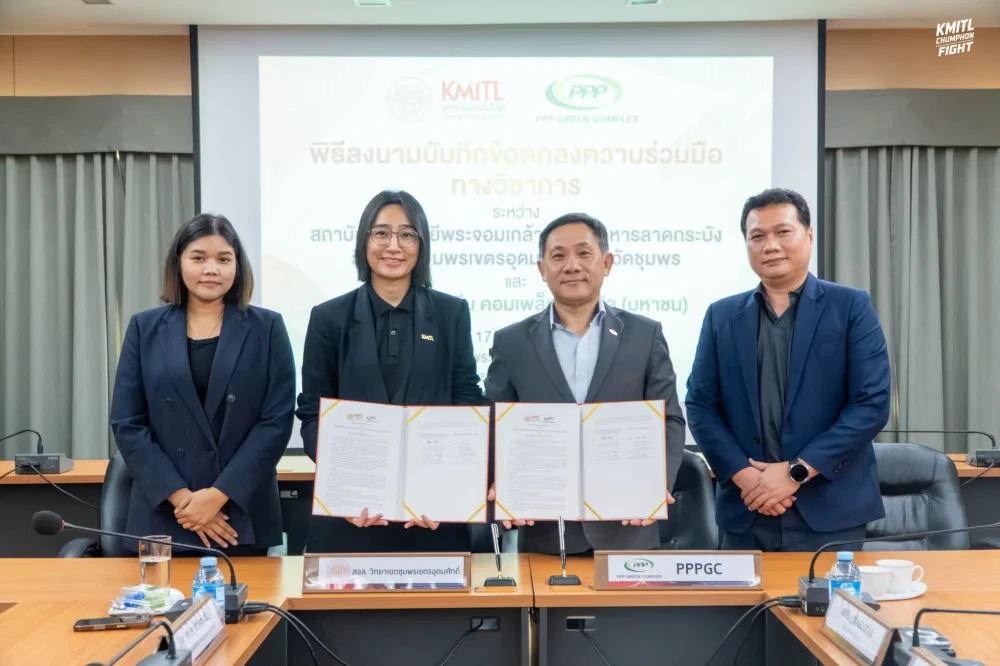
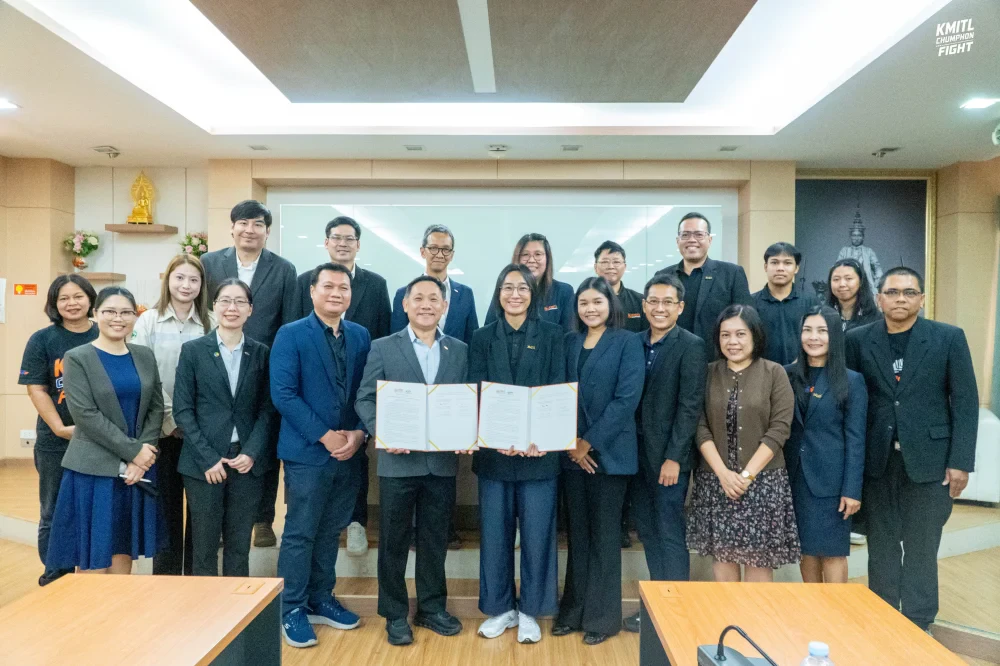
November 17, 2026 – PPP Green Complex Public Company Limited (PPPGC), a fully integrated palm oil complex company covering bioenergy, palm olein and biochemicals, has signed a five-year academic cooperation Memorandum of Understanding (MOU) with King Mongkut’s Institute of Technology Ladkrabang (KMITL), Prince of Chumphon Campus. Mr. Weerayuth Lorsathian, Chief Executive Officer of PPPGC, and Associate Professor Dr. Siriwan Srisang, Executive Vice President of KMITL Prince of Chumphon Campus, signed on behalf of the two organizations. Together they will develop the “Palm University” project on about 500 rai (80 hectares) of oil palm plantation. They will also promote research and development of modern agricultural technology across the oil palm value chain.
Under the partnership for “Smart Farming” development, the two organizations will use artificial intelligence (AI) and data analytics to improve cultivation efficiency, raise yield quality and secure a stable upstream supply of raw materials. This will support the long-term growth of Thailand’s bioenergy and biochemical industries.
Palm University will serve as a model site for research, innovation and hands-on learning, a “Living Laboratory.” It brings academic knowledge together with industry experience and expertise. Its work will cover palm variety development, soil and water management, crop health monitoring, higher yield per area and better raw material standards. The aim is knowledge that can be applied and scaled across the oil palm value chain.
Palm University will also develop talented specialists or personnels to support the growth of environmentally friendly industries, especially high-value biochemicals, one of PPPGC’s key growth areas. PPPGC adds value to its products and production by-products. Examples include refined glycerin and oleochemical products used in cosmetics, personal care products, cleaning products, food and pharmaceuticals. They can also replace petroleum-based chemicals in manufacturing.
The partnership between PPPGC and KMITL goes beyond education and research. It is part of a wider effort to move Thailand’s oil palm industry from producing basic raw materials to creating more value in bioenergy and biochemicals. Palm University is meant to connect innovation from upstream to downstream, make the industry more competitive and support the sustainable growth of Thailand’s bioeconomy.
Gallery